
416-893-5001

Century Aluminum
Century Aluminum
  • Home
  • About us
  • Eavestrough Installation
  • Leafguard
  • Our Projects
  • FAQ
  • Contact us
  • More
    • Home
    • About us
    • Eavestrough Installation
    • Leafguard
    • Our Projects
    • FAQ
    • Contact us

416-893-5001


  • Home
  • About us
  • Eavestrough Installation
  • Leafguard
  • Our Projects
  • FAQ
  • Contact us

Downspouts and Water Management Solutions
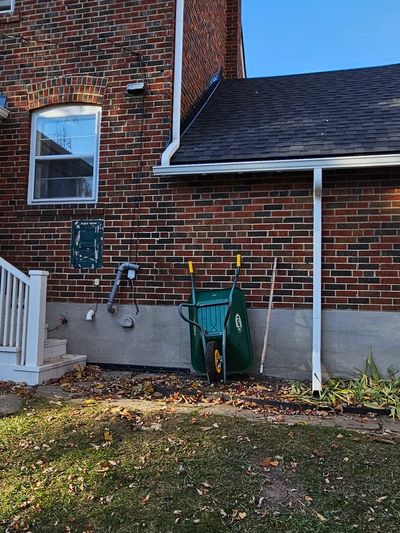
Downspout and extension directing roof runoff away from a home foundation

Drainage Planning That Protects Your Home from Day One

A great eavestrough system isn’t finished until the downspouts and discharge plan are right. During installation, we look at roof layout, water volume, and how water leaves the property so it doesn’t concentrate near the foundation, walkways, or landscaping.


Our approach includes grading checks, downpipe placement recommendations, and extension/discharge planning so water is directed where it should go—reliably, season after season.


Proper downspout installation and water management planning are essential parts of professional eavestrough installation. When downspouts are correctly placed and discharge paths are planned, roof runoff is controlled efficiently and directed away from the home. 


Get a free quote.

Why Water Management Matters

The Downspout Discharge Point Is as Important as the Gutter

A roof collects a surprising amount of water during storms and snowmelt. If that water is released too close to the house, it can soak the soil along the foundation line, stain exterior surfaces, and erode landscaped areas over time.


Many best-practice guides recommend discharging water well away from the foundation (commonly 6–10 feet when possible) to reduce risk of water-related damage.


Effective eavestrough drainage depends on proper downspout placement and controlled water discharge away from the foundation. 

Grading Review and Extension Planning

Ground grading and downspout discharge path planned away from a home

We Check Grading to Determine Extension Length and Direction

Extension length isn’t one-size-fits-all. We review grading and runoff paths to determine where water will naturally travel once it leaves the downspout, then recommend an extension length and direction that supports proper drainage.


In many cases, homeowners use extensions in the 4–6 foot range, but the correct setup depends on grading, landscaping, and where the water can safely discharge.


Reviewing grading helps determine the correct downspout extension length and direction for long-term water management. 

Downpipe Placement Recommendations

Downspout location positioned at a roof corner for efficient drainage

Downspouts Placed for Roof Layout, Water Volume, and Clean Discharge


We recommend downpipe locations based on roof design, valleys, and where water concentrates. Proper placement helps prevent overflow and improves system performance in heavy rain and snowmelt.


As a general guideline, one downspout is often used for roughly 30–40 linear feet of eavestrough, but complex rooflines or high-volume areas may require more capacity and smarter placement.


Proper downpipe placement ensures the gutter drainage system can handle expected water volume without backup or overflow. 

Discharge Options and Water Control

Extensions, Splash Blocks, and Routing Options That Fit the Property

There are several ways to manage downspout discharge depending on the lot and landscaping. Options can include extensions to carry water farther out, or splash blocks to disperse water near the surface and reduce erosion.


Guides commonly compare extensions vs splash blocks based on how far you need to move water and how you want it distributed. We recommend the right approach based on the property’s grading and discharge area.


Choosing the right discharge method helps control roof water runoff and reduces erosion around the home. 

Optional Underground Routing

When a Buried Line Makes Sense for Clean, Controlled Discharge

For some properties, an underground route can create a cleaner discharge point and keep water away from high-traffic areas. When underground routing is used, slope and depth matter for proper flow.


For reference, common how-to guidance notes trenches should slope away from the home to keep water moving (often targeting a small drop over the run).

Our Water-Management Installation Approach

A Clear Plan, Then Precise Installation and Flow

 Every installation starts with a drainage plan, not guesswork. Homeowners can expect:


  • Roofline and runoff review to understand water volume and concentration points
     
  • Recommendations for downpipe quantity and placement based on roof layout
     
  • Grading review to determine extension length and discharge direction
     
  • Installation followed by a flow check to confirm water exits where intended
     
  • Final walkthrough and cleanup

Experience and Proven Workmanship

Professional installers workmanship on a Richmond Hill home

Backed by an Established GTA Contractor with a Long Track Record

Our installation standards are built from years of hands-on field experience across the GTA. This site is supported by the reputation and workmanship behind Century Aluminum, known for consistent results and professional exterior work.


Learn more about our company: Century Aluminum.


See real examples of completed projects: Projects Page. 

Free Downspout and Water Management Estimate

Request a Drainage Plan and Installation Quote

If you’re installing new eavestroughs or upgrading your drainage layout, contact us for a professional assessment. We’ll recommend downpipe locations, review grading for proper discharge, and provide a clear quote for installation. 


Our downspout installation services include water management planning designed to support long-term eavestrough performance. 

Get a Free Quote

Frequently Asked Questions

Please reach us at info@centuryaluminum.ca if you cannot find an answer to your question.

 Proper downspout placement helps control roof runoff, reduces water buildup near the foundation, and improves overall eavestrough drainage performance. 


 Downspouts should discharge water far enough from the foundation to prevent pooling, with extension length determined by grading and drainage conditions. 


Operated by Century Aluminum - GTA Exterior Expert

Toronto ON

416-893-5001

Copyright @ 2026 Century Aluminum - All rights reserved.


Powered by GoDaddy

This website uses cookies.

We use cookies to analyze website traffic and optimize your website experience. By accepting our use of cookies, your data will be aggregated with all other user data.

DeclineAccept